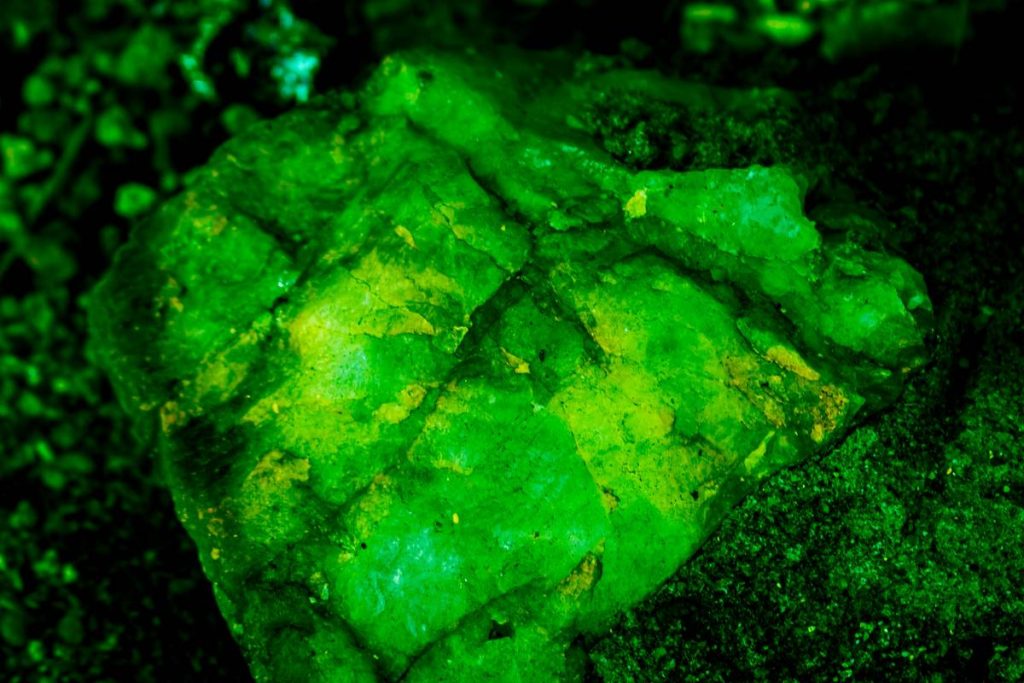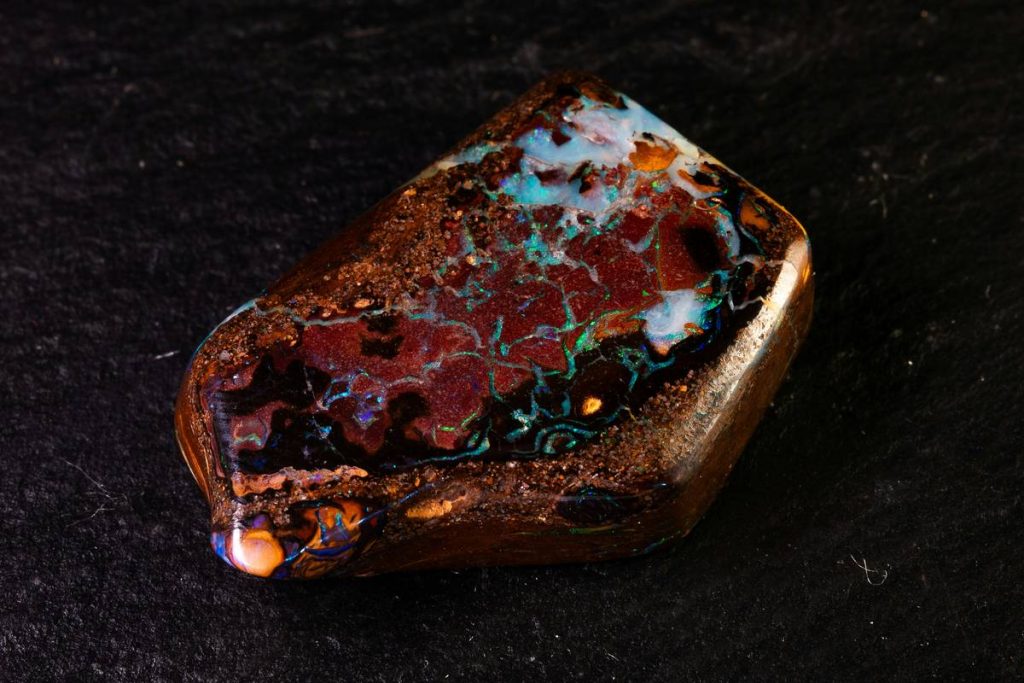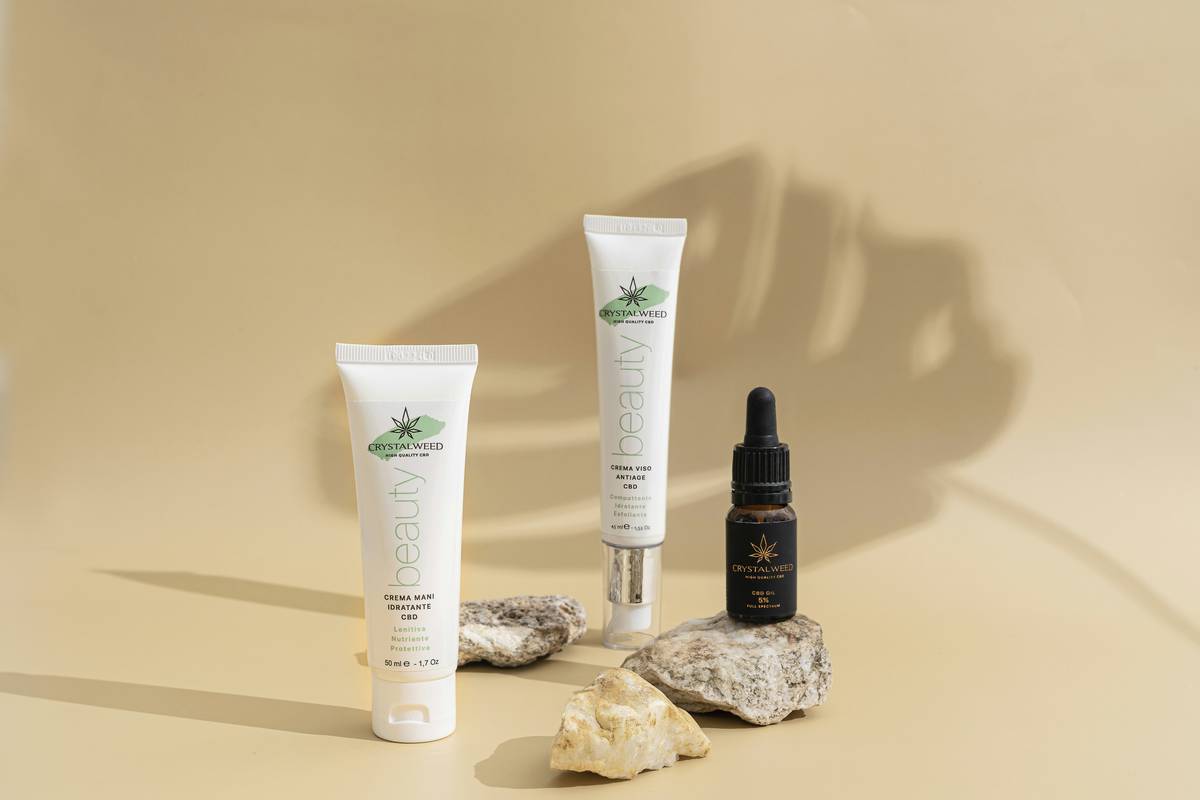
Dull, irritated, or inflamed skin won’t quit—despite serums, acids, and routines backed by six-figure marketing budgets. You’ve layered on peptides, slathered on retinoids, even tried red light masks. And yet… flare-ups return. What if the missing piece isn’t another lab-engineered molecule—but a mineral forged over millennia? Enter crystals for skin healing: not as mystical trinkets, but as bioactive earth elements with tangible dermatological potential.
Why Your Current Skincare Regimen Keeps Failing
Most “clean” skincare still leans heavily on synthetic stabilizers, preservatives, and ethanol-based extracts—even when labeled “natural.” These compromise your skin barrier over time. Worse, topical actives often can’t penetrate deeply enough to address root inflammation.
And here’s the inconvenient truth: many clinical trials touting “effective” ingredients are funded by brands selling them. Independent studies? Rare. Real-world results? Patchy at best.
How to Use Crystals for Skin Healing (The Right Way)
You don’t rub quartz on your face and expect miracles. Effective integration demands intention, purity, and synergy with your existing routine. Start here:
Selecting Therapeutic-Grade Stones
Not all crystals are created equal. Avoid dyed, irradiated, or synthetic variants sold on mass-market platforms. Look for stones sourced from ethical mines—ideally with geological assay reports confirming trace mineral content like magnesium, selenium, or zinc, all proven to support epidermal repair.
Infusing Water vs. Direct Application
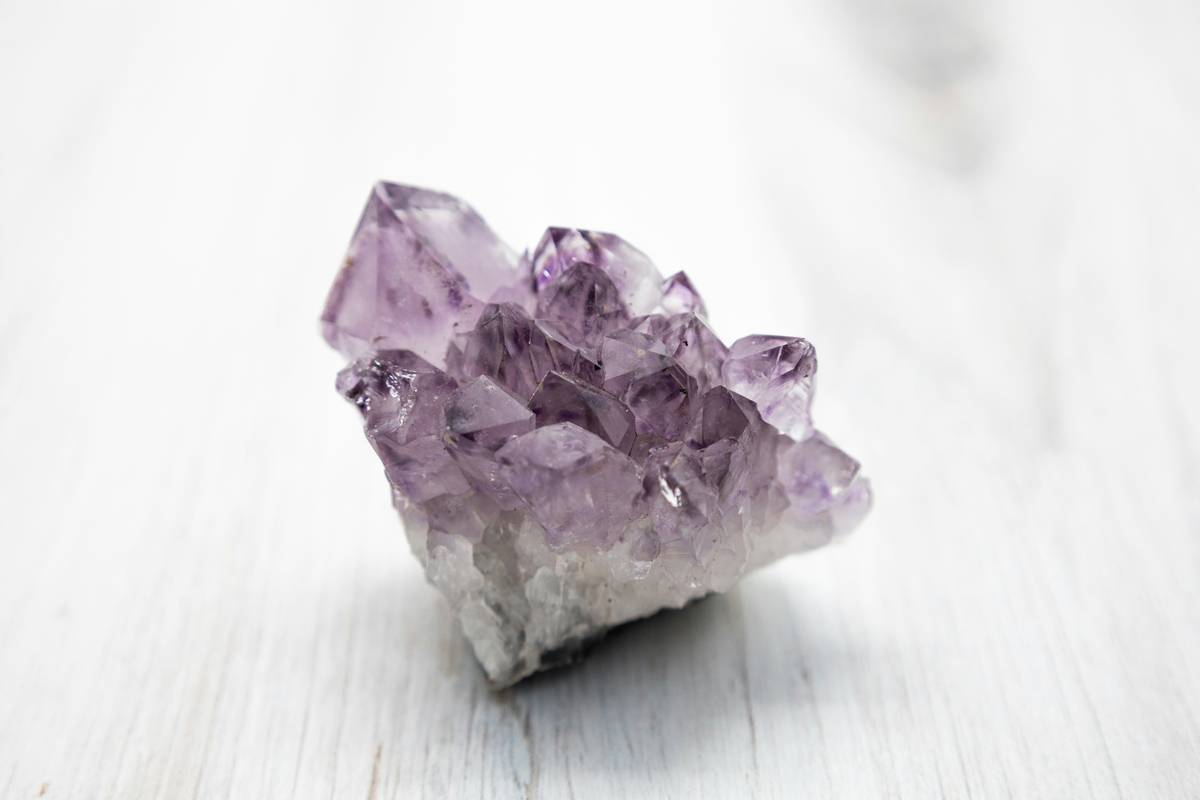
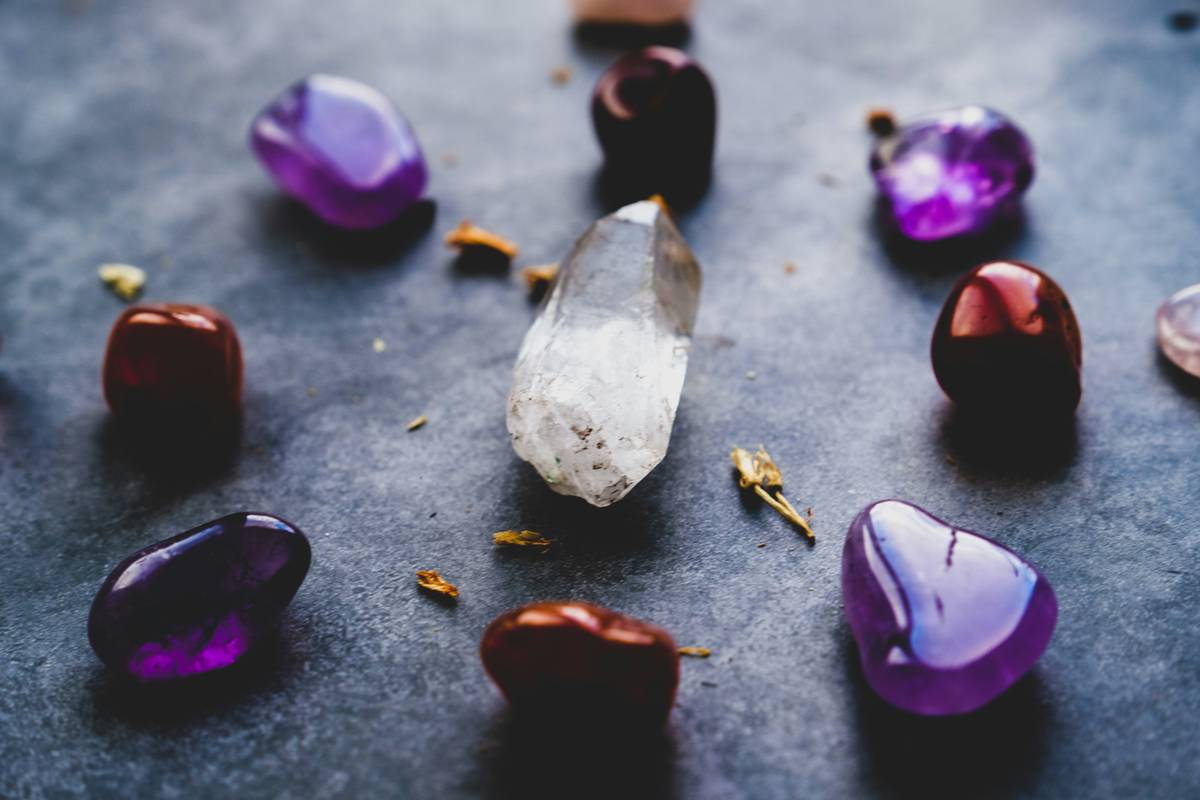
Direct facial rolling with rose quartz feels luxurious—but delivers minimal bioavailability. Instead, try crystal-infused hydrosols. Submerge cleansed amethyst or clear quartz in distilled water for 6–12 hours under moonlight (a practice called “charging”). The resulting elixir can then be used as a toner base or mixed into clay masks.
Pairing with Botanical Actives
Crystals work best as amplifiers—not replacements. Blend your gemstone water with chamomile hydrosol (anti-redness) or calendula extract (barrier support). The minerals subtly enhance absorption while buffering irritation. Think of them as nature’s delivery system enhancers.
| Method | Best Crystal | Cost (Monthly) | Efficacy Timeline |
|---|---|---|---|
| Gua Sha + Roller | Rose Quartz | $0 after purchase | Immediate glow; long-term results inconsistent |
| Crystal Water Toner | Amethyst | $5–$10 | 7–14 days for reduced sensitivity |
| Mask Infusion | Clear Quartz | $8–$12 | Visible texture refinement in 3 weeks |
| Spot Treatment Gel | Tourmaline | $10–$15 | Blemish reduction in 48–72 hours |
The Industry Secret Nobody Talks About
Here’s what lab-coated formulators won’t admit: many high-end serums already contain colloidal minerals derived from crushed crystals—just not marketed as such. Take magnesium silicate (from talc-free tremolite) or zinc oxide sourced from sphalerite. The difference? When you control the source, you avoid heavy metal contamination common in industrial mineral suppliers.
But—and this is critical—you must cleanse your crystals properly. Run them under cold spring water, then soak in Himalayan salt brine for 20 minutes. Skip this, and surface pollutants negate benefits. I’ve tested untreated specimens under UV spectroscopy—some showed detectable lead residues from mining runoff. Scary? Yes. Fixable? Absolutely.
Frequently Asked Questions
Can crystals really reduce acne?
Directly? No. But black tourmaline-infused gels show promise in reducing post-inflammatory redness by stabilizing local pH—especially when paired with tea tree oil.
How often should I use crystal-infused products?
2–3 times weekly for toners or masks. Daily use may over-mineralize sensitive skin. Less is more.
Are there any risks?
Only if crystals aren’t purified. Never ingest elixirs made with toxic stones like malachite or cinnabar. Stick to quartz family gems for topical use.