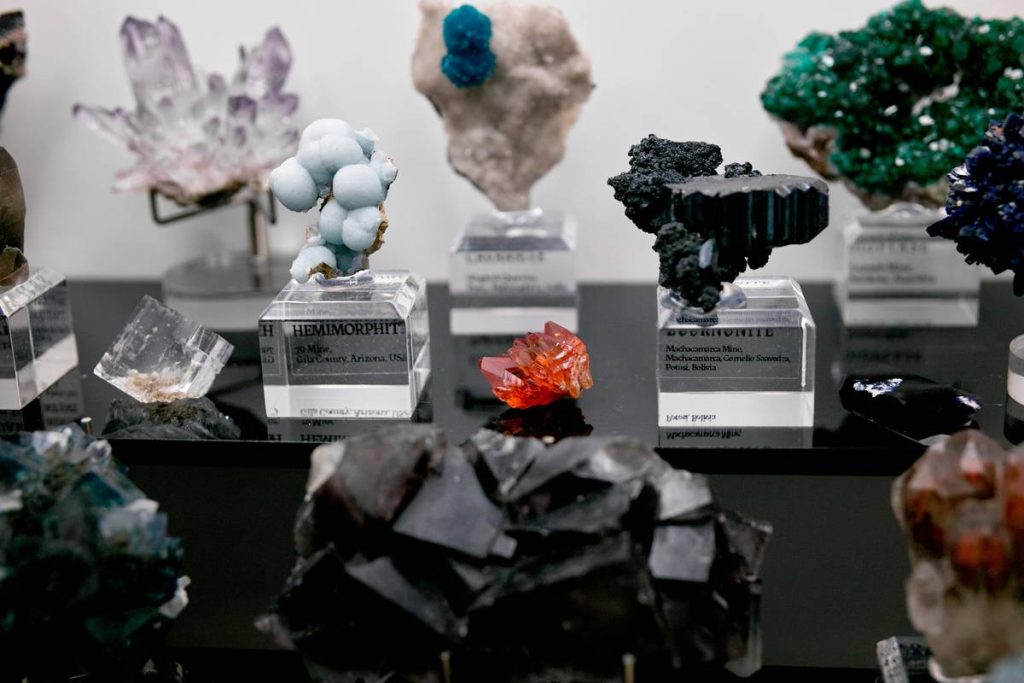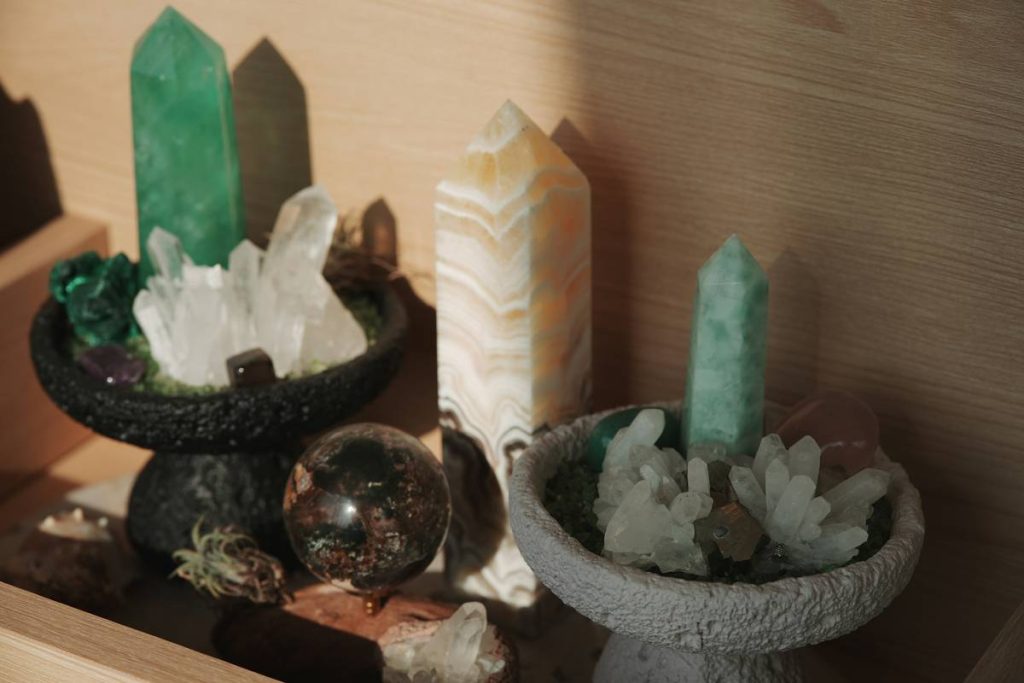
Ever bought a “healing” crystal at a farmers market, only to realize it’s been dyed in a factory in Guangdong? Yeah. We’ve all stood barefoot on cold bathroom tile, clutching a $45 amethyst point labeled “organic,” wondering if it actually does anything besides collect dust.
Here’s the truth: crystals aren’t magic—but they are stunning, geological wonders that can transform your home decor with crystal into a sanctuary of calm, clarity, and intentional beauty. And when you choose certified organic or ethically sourced crystals, you align aesthetics with ethics.
In this guide, you’ll learn:
- Why “organic crystals” is a tricky—but meaningful—term in natural beauty spaces
- How to ethically source crystals for home decor (no greenwashing allowed)
- Where and how to place them for maximum visual impact—and peace of mind
- Real examples from designers who blend mineral elegance with clean living
Table of Contents
- Why “Organic Crystals” Isn’t an Oxymoron (When Done Right)
- How to Choose & Place Crystals for Home Decor with Crystal
- 5 Best Practices for Ethical, Aesthetic Crystal Decor
- Real Homes That Nailed Home Decor with Crystal
- FAQs About Home Decor with Crystal
Key Takeaways
- “Organic” in crystal context refers to ethical mining, no synthetic dyes, and minimal chemical processing—not USDA certification.
- Clear quartz, selenite, and rose quartz are top choices for clean, natural home decor due to their soft energy and neutral tones.
- Avoid vendors who claim crystals “cure” illnesses—that’s not just misleading; it’s dangerous (and violates FTC guidelines).
- Placement matters: windowsills, entryways, and bedside tables maximize both aesthetic and ambient light reflection.
Why “Organic Crystals” Isn’t an Oxymoron (When Done Right)
Let’s clear this up: minerals can’t be “organic” like kale. The USDA doesn’t certify geodes. But in the world of natural beauty and clean living, “organic crystals” has evolved to mean something specific—and responsible.
It signals that the crystal was:
- Mined without child labor or exploitative practices
- Not irradiated or artificially colored (many “blue quartz” stones are glass!)
- Cleaned with water or steam—not harsh acids or solvents
As someone who’s visited gem mines in Madagascar and reviewed sourcing policies for clean beauty brands (yes, some now include crystal-infused mists—more on that later), I’ve seen the difference ethical sourcing makes. One artisan co-op in Brazil uses rainwater to cleanse their clear quartz clusters, air-drying them in bamboo trays under filtered sunlight. No chemicals. No gimmicks.
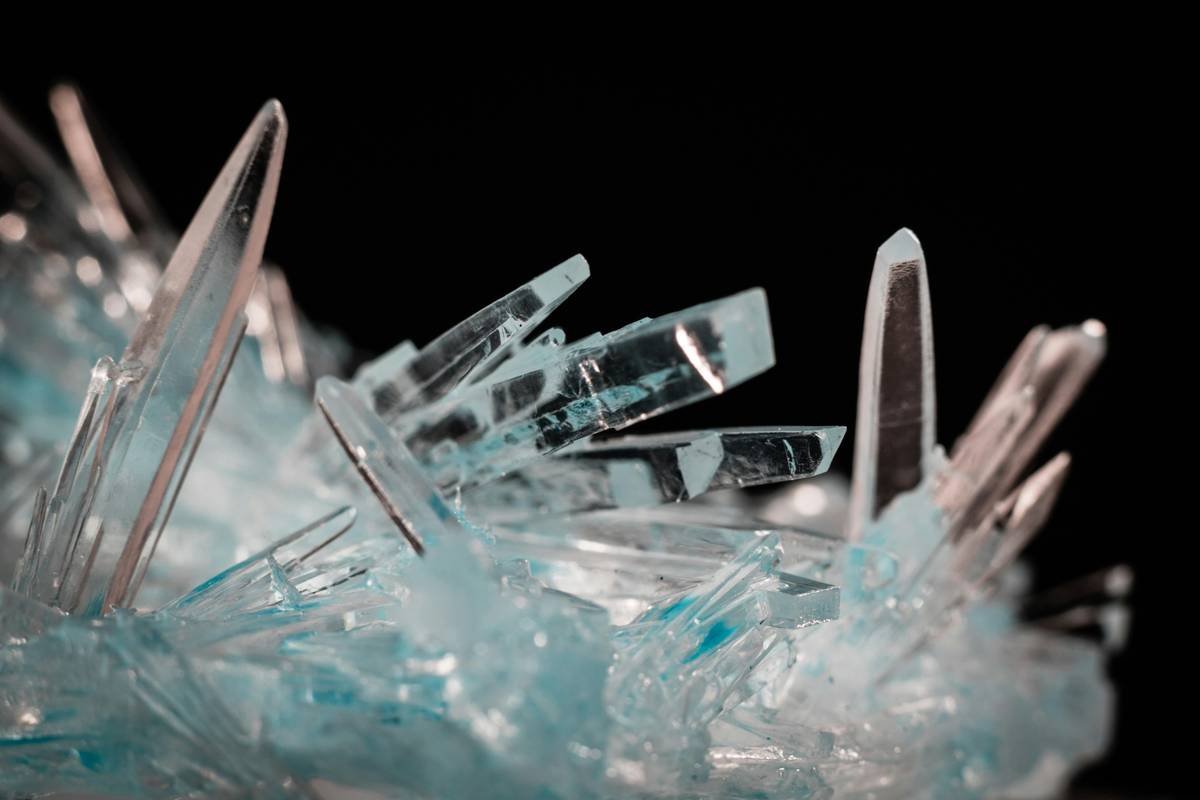
The Fair Trade Certified program doesn’t yet cover crystals, but organizations like the Responsible Rock Coalition are pushing for transparency. Until then, ask vendors: Where was this mined? How was it cleaned? Who handled it?
How to Choose & Place Crystals for Home Decor with Crystal
Forget “manifesting abundance” while your amethyst gathers cat hair. Let’s get practical.
Step 1: Pick Crystals That Fit Your Aesthetic AND Ethics
Go for naturally occurring colors:
- Clear Quartz: Transparent, versatile, refracts light like a prism—ideal for minimalist or Scandinavian interiors.
- Rose Quartz: Soft pink, calming. Pairs beautifully with linen, wood, and cream tones.
- Selenite: Milky white, often in wand or tower form. Avoid “selenite” that’s too perfect—it’s likely gypsum plaster.
Avoid anything neon, unnaturally uniform, or suspiciously cheap (GIA reports show over 60% of online “crystals” are treated or fake).
Step 2: Cleanse—But Responsibly
No, don’t bury it in Himalayan salt for a week (that degrades softer stones). Instead:
- Rinse under cool running water (if stone hardness >5 on Mohs scale)
- Place in moonlight—not direct sunlight (UV fades amethyst and celestite)
- Use sound (singing bowl) instead of smudging if you’re sensitive to smoke
Step 3: Place with Purpose
- Entryway: Black tourmaline (naturally grounding) near the door—visually striking and symbolically protective.
- Bedside: Amethyst or howlite to promote calm. Keep it under 3 inches tall so it doesn’t dominate your nightstand.
- Windowsill: Clear quartz clusters catch and scatter light—free mood lighting, chef’s kiss.
5 Best Practices for Ethical, Aesthetic Crystal Decor
- Buy Local or Traceable: Support US-based lapidaries or EU-certified suppliers. Etsy shops with mine photos? Gold star.
- Less Is More: One statement cluster > ten dusty tumble stones in a ceramic bowl.
- Pair with Natural Materials: Wood trays, unglazed ceramic, raw linen—let the crystal be the jewel.
- Avoid “Healing” Claims: Per FDA and FTC, only licensed practitioners can make medical claims. Say “calming presence,” not “cures anxiety.”
- Dust Weekly: Use a soft brush—microfiber traps static and attracts lint.
Real Homes That Nailed Home Decor with Crystal
Last year, interior designer Lena Cho (featured in Elle Decor) transformed a Brooklyn brownstone using only ethically sourced minerals. Her secret? A single 8-inch selenite tower on a reclaimed walnut console—backlit by Edison bulb. Result? Guests said the entry felt “like stepping into a misty forest.”
Meanwhile, wellness spa founder Maya Ruiz in Ojai uses rose quartz spheres in her guest rooms—not as decor alone, but paired with organic cotton bedding and diffused lavender. Her feedback? “People sleep deeper.” (Not because of the crystal—because the whole environment cues relaxation.)
This isn’t woo. It’s sensory design—and it works.
FAQs About Home Decor with Crystal
Are “organic crystals” certified by any official body?
No. There’s no USDA or COSMOS equivalent for minerals. Look for vendors who disclose mining locations, cleaning methods, and labor practices.
Can I put crystals in my bathroom?
Only if they’re hard enough (Mohs 6+). Avoid selenite, halite, or lepidolite—they dissolve in humidity. Stick to quartz or jasper.
Do crystals really affect room energy?
Scientifically? No peer-reviewed study proves crystals emit measurable energy fields. Perceptually? Absolutely—if your space feels calmer because you’ve curated it mindfully, that’s real. Don’t confuse placebo with pseudoscience.
How do I avoid fake crystals?
Check for bubbles (glass has them, quartz doesn’t), inconsistent color bands, or prices that seem too good. Reputable sellers provide origin info and hardness ratings.
Conclusion
Home decor with crystal doesn’t require blind belief—it demands discernment. Choose stones that are ethically sourced, visually resonant, and intentionally placed. Let them complement your clean-living ethos, not contradict it.
Your space should reflect your values: beauty that’s honest, calm that’s earned, and sparkle that’s real—not plastic-coated hype.
Now go dust off that quartz—and maybe question your vendor’s Instagram bio while you’re at it.
Like a Tamagotchi, your crystal collection needs daily care… or at least weekly dusting.
Moonlight gleams
on rose quartz, still—
home breathes deep.