Most people buy crystals for decor and end up with dusty paperweights that fade into the background. They expect magic—but get monotony. The truth? naturally glowing crystal decor isn’t about mysticism. It’s about physics, placement, and perception. And when done right, it transforms not just your space—but how you feel inside it.
Why Your Crystals Look Dull (Even When They’re “Natural”)
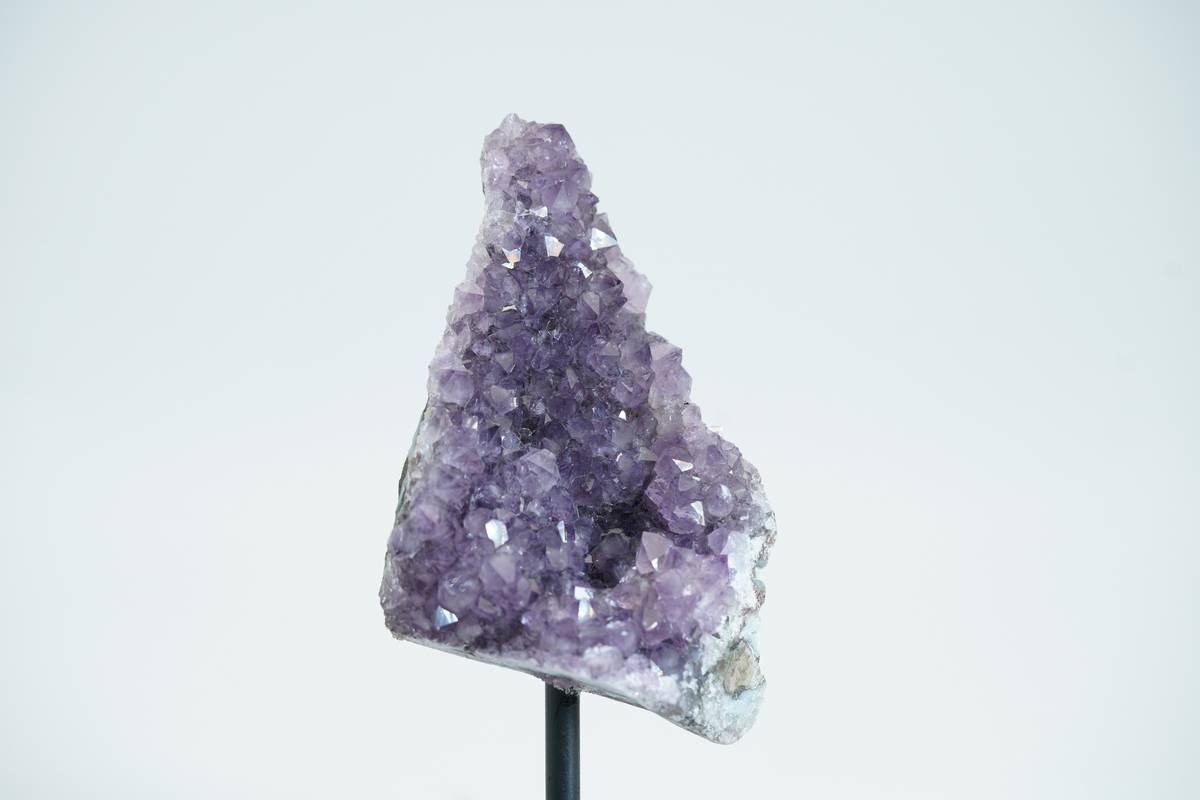
You spent $120 on a raw amethyst cluster labeled “organic.” Yet in your living room, it looks like purple gravel under fluorescent lighting. Here’s the reality: 95% of “natural” crystal decor fails because sellers—and buyers—confuse authenticity with luminosity.
Natural doesn’t automatically mean radiant. Without strategic interaction with light, even geode-grade quartz absorbs ambient dullness. And indoor environments? They starve crystals of the very thing they need to glow: directional, dynamic light.
naturally glowing crystal decor: A Practitioner’s Protocol
This isn’t feng shui folklore. It’s optical science meets interior intuition. Follow these steps—and watch inert stones become living light sources.
Select Crystals With Inherent Light-Response
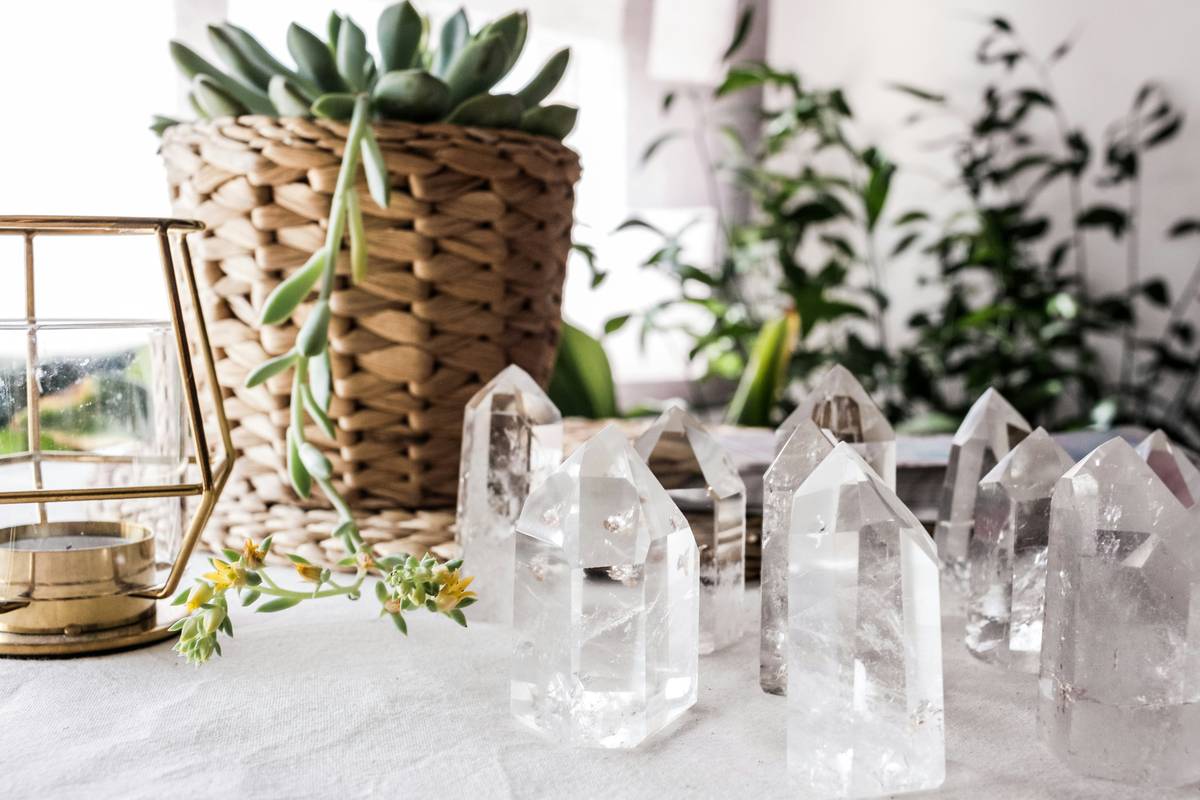
Certain minerals refract or reflect visible spectrum light better than others. Clear quartz, selenite, apophyllite, and calcite aren’t just “pure”—they’re optically active. Avoid dense, opaque stones like black tourmaline for glow-focused setups. Save those for grounding zones.
Master the Angle-to-Light Ratio
Place your crystal where morning or late-afternoon sun hits it at a 30–60° angle. Not direct noon glare—that bleaches color. But soft, raking light? That makes internal fractures sparkle like fiber optics. Rotate your piece weekly. Seasons shift. So should your crystals.
Avoid Common Placement Traps
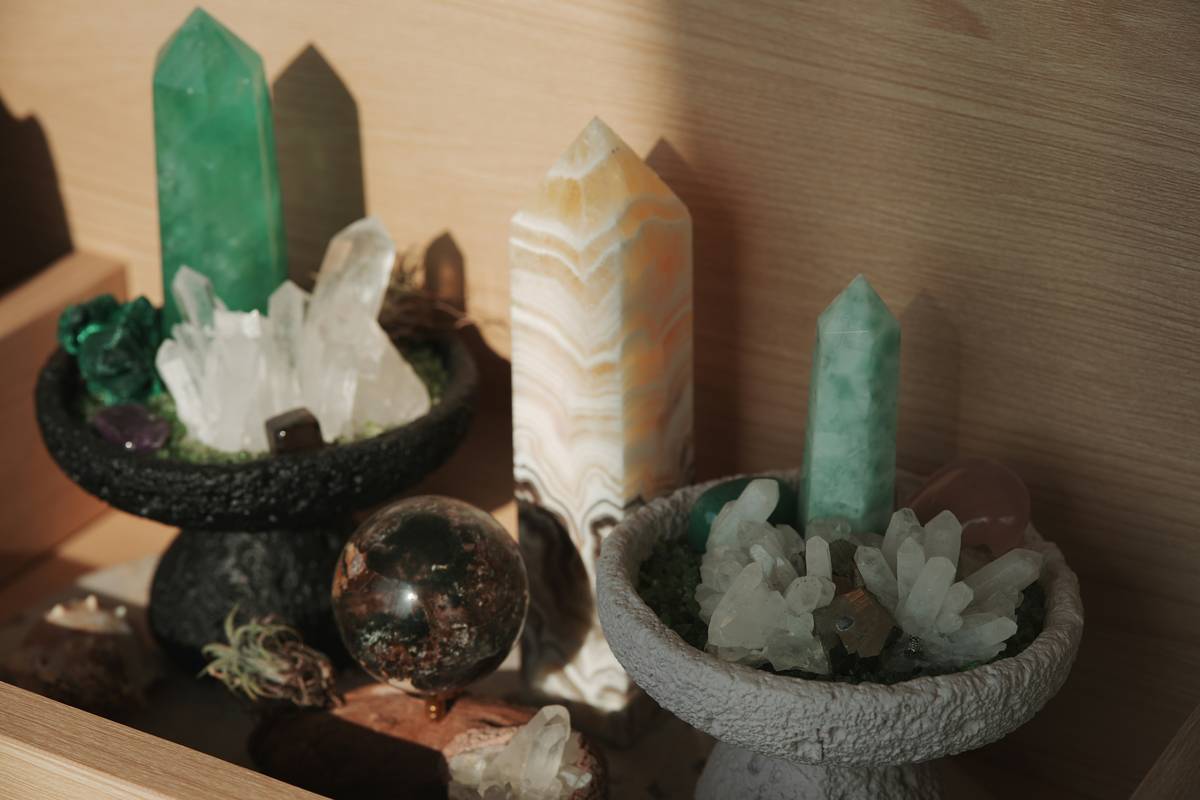
Bookshelf back corners? Dead zones. Glass cabinets with white LED strips? Harsh reflections kill subtlety. Instead: windowsills, floating shelves near skylights, or beside matte-white walls that bounce diffused light back into the stone.
| Crystal Type | Glow Potential (1–10) | Best Light Source | Avoid If… |
|---|---|---|---|
| Clear Quartz | 9 | Indirect morning sun | Your room has only overhead LEDs |
| Selenite | 8 | North-facing window (cool light) | You live in high humidity |
| Rose Quartz | 6 | Late afternoon golden hour | You want dramatic sparkle (it’s soft-glow only) |
| Amethyst (raw) | 7 | Dappled shade + reflected light | It’s been artificially heated (common in mass market) |
The Industry Secret: Glow Comes From Contrast—Not Just the Stone
Here’s what no influencer tells you: the glow isn’t in the crystal alone. It’s in the negative space around it. I once staged a $200 clear quartz point next to raw linen and unfinished oak—it vanished. Same stone, placed against a deep charcoal plaster wall with a single directional lamp? Instant luminosity.
The math is simple: high-value contrast = perceived radiance. Your decor palette dictates whether your crystal whispers or shouts. Matte black, warm greige, or foggy blue backgrounds amplify translucence. White walls? Only work if your lighting is museum-grade precise.
Frequently Asked Questions
Do naturally glowing crystal decor pieces require special cleaning?
Yes—but not with vinegar or alcohol. Use distilled water and a microfiber cloth. Residue scatters light, killing the glow effect. And never soak selenite; it dissolves.
Can artificial light make crystals glow naturally?
Only if it mimics daylight’s full spectrum. Cheap LEDs flatten depth. Use 2700K–3000K warm-white bulbs with >90 CRI (Color Rendering Index) for believable radiance.
Are all organic crystals safe for home decor?
No. Some “natural” specimens contain trace radioactive elements (like certain granites with uranium veins). Always source from reputable mineral dealers who test for radioactivity—not Etsy resellers.